Bringing connection and fulfilment to the lives of the people we support
When people think of “care home activities”, they often picture coffee mornings or bingo. At Exemplar Health Care, it’s much more personal than that.
Our activities are led by what matters to each person - their choices, interests, goals, and hobbies.
What’s meaningful is different for everyone, so we focus on moments that bring purpose, enjoyment, and a sense of self.
Purpose-led activities for opportunity and enjoyment
What’s meaningful is whatever brings a person purpose, confidence, or joy.
Activities aren’t a tick-box exercise or a rota of group sessions. We prioritise meaningful interactions that support health, wellbeing, and quality of life.
We love helping people rediscover old interests, explore new ones, and find moments of joy in everyday life.
Below are the key pillars of our activities approach.
Building independence
Rebuilding confidence in daily living skills, such as budgeting, cooking, shopping, travelling, and using technology.
Some people choose to volunteer, study, or take on roles in the home, like running the tuck shop or becoming a Service User Ambassador.
Improving health and wellbeing
Supporting fitness and movement that complement physiotherapy goals, in ways that fit a person’s ability and goals.
For some, this means going to the gym or joining sports in the community. For others, it might be a gentle walk, time outdoors, or focusing on good sleep and a balanced diet.
Increasing social skills
Encouraging social and recreational activities to build connections, at a pace that feels right for them.
Some people prefer group staying in the home, while others enjoy days out, holidays, or spending time with loved ones in familiar community spaces.
Pursuing creativity
Developing artistic hobbies to recover former interests or explore something new.
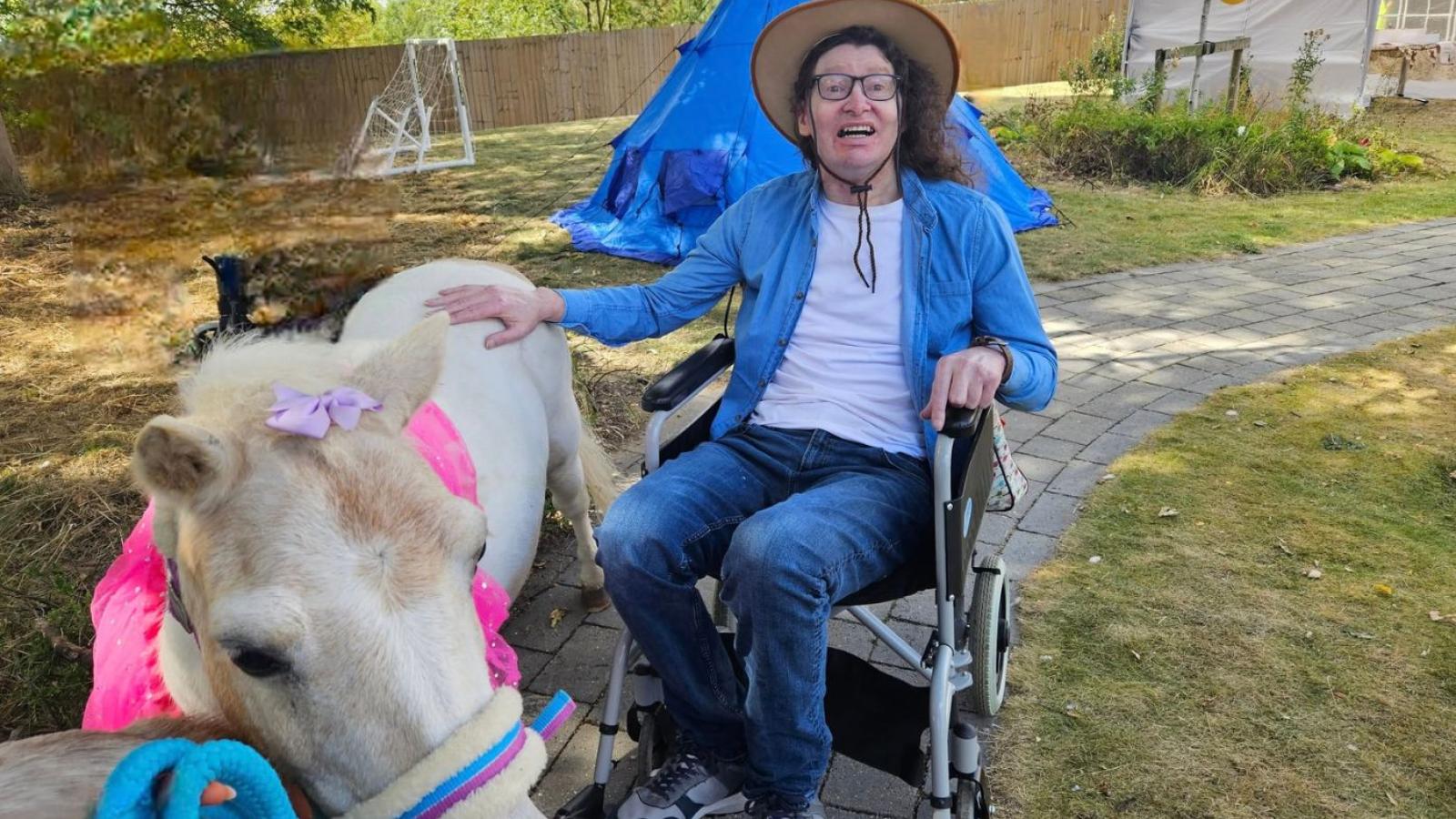
People can enjoy creative activities like music, painting, storytelling, poetry, and animal therapy.
Being part of the local community
Supporting people to stay connected to the places and people that matter to them.
Community activities might include events at the local library, sessions at a boxing gym, or simply spending time in nearby cafés and community centres.
We build confidence gradually. Inside the home, this might start with a coffee in the community hub or a haircut in the salon. When someone’s ready, we support safe, meaningful trips out with trusted colleagues by their side.
Providing sensory experiences
Focussing on all five senses - touch, sight, sound, smell, and taste - to create calming and stimulating experiences.
Some homes have sensory rooms; while others use mobile trolleys to bring the sensory experiences to private bedrooms and communal spaces.
Encouraging positive memories
Connecting people to positive moments and experiences that matter to them.
This might include looking through photos, themed activities, or planning trips linked to happy memories, that build a sense of security and place.
Supporting cognitive skills
Developing memory, communication, and thinking skills.
We use games and activities that build or maintain memory, communication, and problem-solving skills, combining progression with plenty of fun.
Read about some of the activities and outings our teams have arranged


Individual activity plans
When someone moves in, we take time to understand their interests, wishes, and goals.
We combine this with clinical assessments to create a flexible activity plan that’s safe, personal, and achievable.
Group activity programmes
Each home has a weekly programme shaped by the people who live there.
It reflects shared interests and encourages social connection, giving everyone a say in what makes an activity meaningful.
Activity scripts
Some activities need extra planning or support.
In these cases, we create personalised guides that outline the adaptations, potential risks, and support needed to ensure we can maximise the chance of an activity taking place in the most meaningful way.
Person-centred planning meetings
In our registered learning disability services, we meet with each person and their loved ones to talk about what’s working well and what could be improved.
These conversations help us shape activities that reflect the person’s voice and choices.
Making meaningful moments possible: collaborative care planning
Meaningful opportunities start with getting to know each person well.
Many of the people we support have spent long periods in hospitals or secure settings, which can make it harder to hold onto a sense of identity.
How we plan activities reflects this - everything is personalised and built around supporting each person at their own pace.
A fundamental part of complex care: our whole-team approach
Every Exemplar Health Care home has its own highly trained Activities Team.
They know the people we support and the environment they live in, which helps build trust and confidence.
An integral part of daily life
Meaningful engagement can happen at any time, so our teams don’t work 9-5. Their flexible hours mean activities aren’t limited by set schedules.
A whole-home approach
Everyone in the team plays a role in supporting meaningful moments - whether that’s joining someone on a trip out, or helping them get ready for the day so they can take part.
Co-production
We work with people - not doing things for them.
Co-production means involving people in decisions about their activities, their space, and their daily life.
This could include choosing group sessions, planning events, or taking on roles within the home that reflect their interests and strengths.
People can also become Service User Ambassadors, and act on behalf of their fellow residents on the Service User Council.
Supporting activities: the tools and methods we use
To make meaningful engagement possible every day, we use a range of tools and approaches that help people stay connected, build confidence, and explore their interests in ways that feel right for them.

Digital devices for independent engagement
We use Yetitablets across our homes to support communication, learning, and enjoyment.
These large interactive screens can be used as whiteboards, video-call tools, or shared activity spaces.
People can explore apps, games, and websites independently or with support, helping them learn new skills and stay connected.
Active support
Active support helps people take part in everyday tasks and activities at a level that feels right for them.
It focuses on small steps, clear prompts, and shared moments, so participation feels achievable and enjoyable.
We celebrate every effort and adapt activities so everyone can be involved in their own way.
Positive behaviour support (PBS)
We use PBS principles to understand what someone needs to feel safe, calm, and able to take part.
By adapting the environment, our communication, and the activity itself, we reduce anxiety and create the best conditions for meaningful engagement.
Structured routines with flexibility
Many people feel more confident when they know what to expect.
We use simple, predictable routines while keeping plenty of room for choice.
This balance helps people feel grounded and makes it easier for them to join in when they’re ready.
Community mapping
We help people connect with places that matter to them, such as cafés, parks, clubs, or volunteer groups.
By exploring what’s nearby and matching opportunities to each person’s interests, community mapping opens the door to meaningful local connections.
Peer support and shared roles
We encourage people to learn from and support each other.
This might involve sharing interests, mentoring someone new, or taking on small leadership roles in the home.
These opportunities help build confidence, purpose, and a sense of belonging.


Explore care homes across England for adults with complex needs.
Get in touch to discuss a complex care placement for someone you support.
Explore rewarding roles with training, support, and chances to grow.
Reach out with questions about care placements, jobs, or general enquiries.